
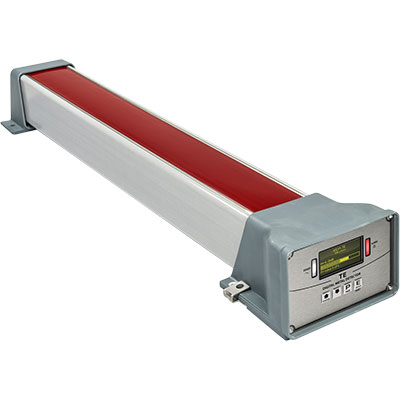
TE digital metal detectors are ideal for performing quality control and protecting production lines from accidental damage caused by metal debris that can enter the manufacturing process along with the material being inspected.
Digital signal analysis allows users to optimize the detection conditions for the product's feed rate and the metal to be detected, ensuring the best possible immunity to external interference.
TE metal detectors have been tested and meet applicable electrical safety and electromagnetic compatibility standards.
CEIA Fiber Quality Control
CEIA began designing and producing solid-state metal detectors for textile machinery protection in the 1960s and has been delivering superior performance ever since, with high sensitivity and excellent immunity to environmental interference. To date, tens of thousands of CEIA TE instruments installed around the world protect textile machinery from damage that can be caused by metal contaminants, delivering ongoing reliability and stable performance.
When small pieces of metal, such as pins, needles, and staples, are accidentally introduced into the fabric during various processing steps, they can cause scratches, dents, or gouges in machine parts, such as the surface of the calender rollers, resulting in poor fabric quality and permanent damage to the machine. In such cases, production losses and repair work are costly.
With CEIA metal detectors, textile manufacturers can effectively protect their machines from metal contamination. The CEIA TE detector detects metal contamination at an early stage and automatically stops the machine to stop the rollers from rotating, thus preventing further contact with metal objects. This not only protects the equipment, but also maintains fabric quality and ensures the continuous operation of the textile production process.
Programmability


Address:3, Baekbong-gil, Cheongbuk-eup, Pyeongtaek-si, Gyeonggi-do, Republic of Korea
Representative : Cho Hun
Business license number : 113-22-11111